Prof. h.c. Dipl.-Ing. Gerhard Eggers
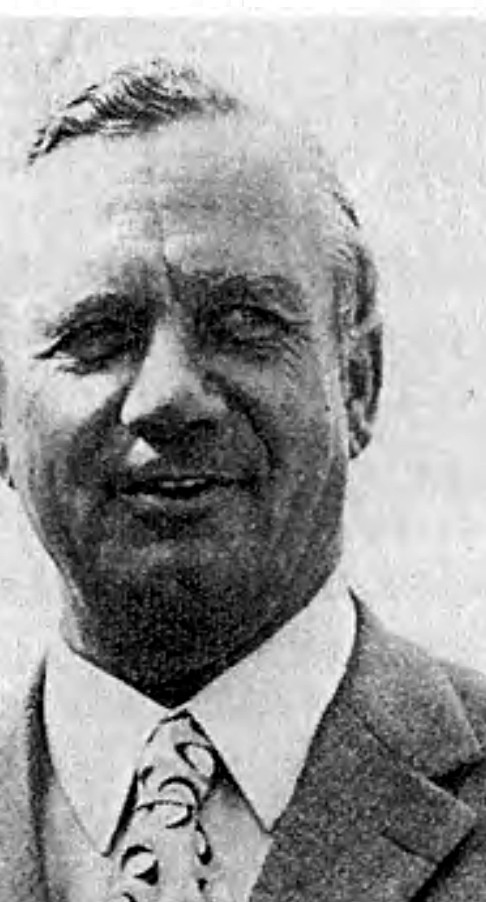
Prof. h.c. Dipl.-Ing. Gerhard Eggers as a board member of VFW-Fokker, c. 1974
| Born | 6 July 1912, Rostock, Germany |
| Died | 23 August 1998, Bad Zwischenahn, Germany |
| Nationality | German |
| Occupation | Engineer, aerospace industry executive, honorary professor (TU Berlin) |
| Known for | Co-founding Entwicklungsring Nord (ERNO), Spacelab, the ATAR jet engine, the Coléoptère, the VFW 614 |
| Spouse | Hildegard Eggers, née Koch (m. 1939, d. 1978) |
| Children | Karsten (b. 1940), Birgit (b. 1943), Heidrun (b. 1945) |
Prof. h.c. Dipl.-Ing. Gerhard Eggers (in full Gerhard Martin Friedrich Eggers; 6 July 1912, Rostock – 23 August 1998, Bad Zwischenahn) was a German engineer and a pioneer of aviation and spaceflight. He played a major part in the development of aircraft and space technology, working at Junkers in Dessau, at SNECMA in France, and at Focke-Wulf and VFW-Fokker in Bremen.
Eggers played a central role in founding the Entwicklungsring Nord (ERNO) and contributed decisively to European spaceflight, above all to the Spacelab programme, which flew aboard the Space Shuttle from 1983. For his services he was appointed an honorary professor at the Technische Universität Berlin in 1964 and received several international honours.
Childhood and education
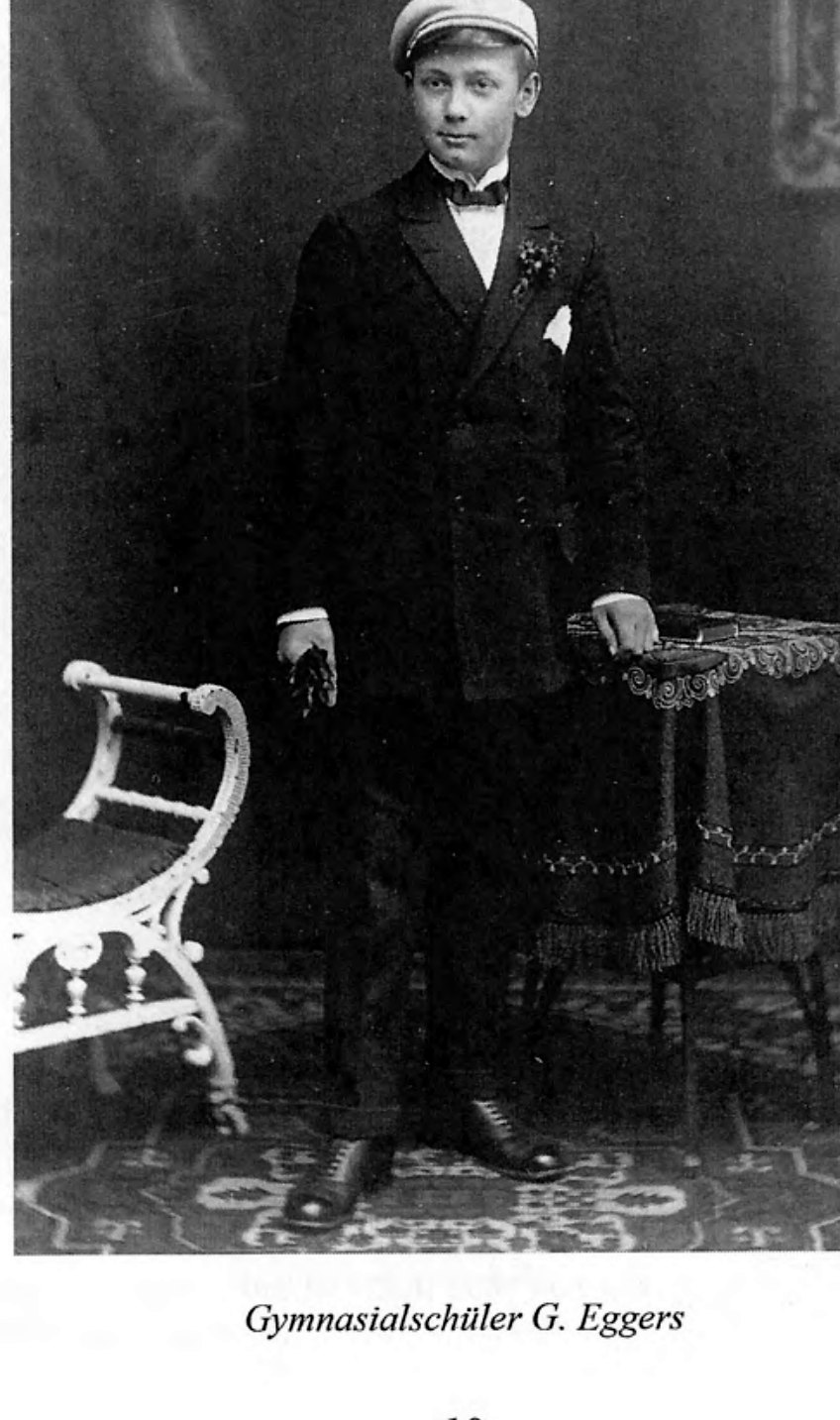
Prof. h.c. Dipl.-Ing. Gerhard Eggers was born the second son of Louis Eggers, a senior postal official, and Margarete Eggers (née Gerwe). He grew up with his brother Kurt, one year his senior, on St.-Georg-Straße in Rostock. From an early age he showed a strong interest in mathematics, physics and chemistry.
Despite the difficult economic circumstances – the aftermath of the First World War and the Great Depression – his parents made it possible for both sons to study. On 1 November 1930 Eggers began studying mathematics, physics and chemistry at the University of Rostock with the aim of teaching at secondary level; he studied in Rostock, Vienna and Hamburg. He passed the scientific state examination for teaching on 14 May 1936 with distinction in mathematics and physics and the grade “good” in chemistry. During semester breaks he earned his pilot’s licence; his sports were above all sailing and rowing. → Timeline: Chronology
Junkers Dessau (1936–1945)
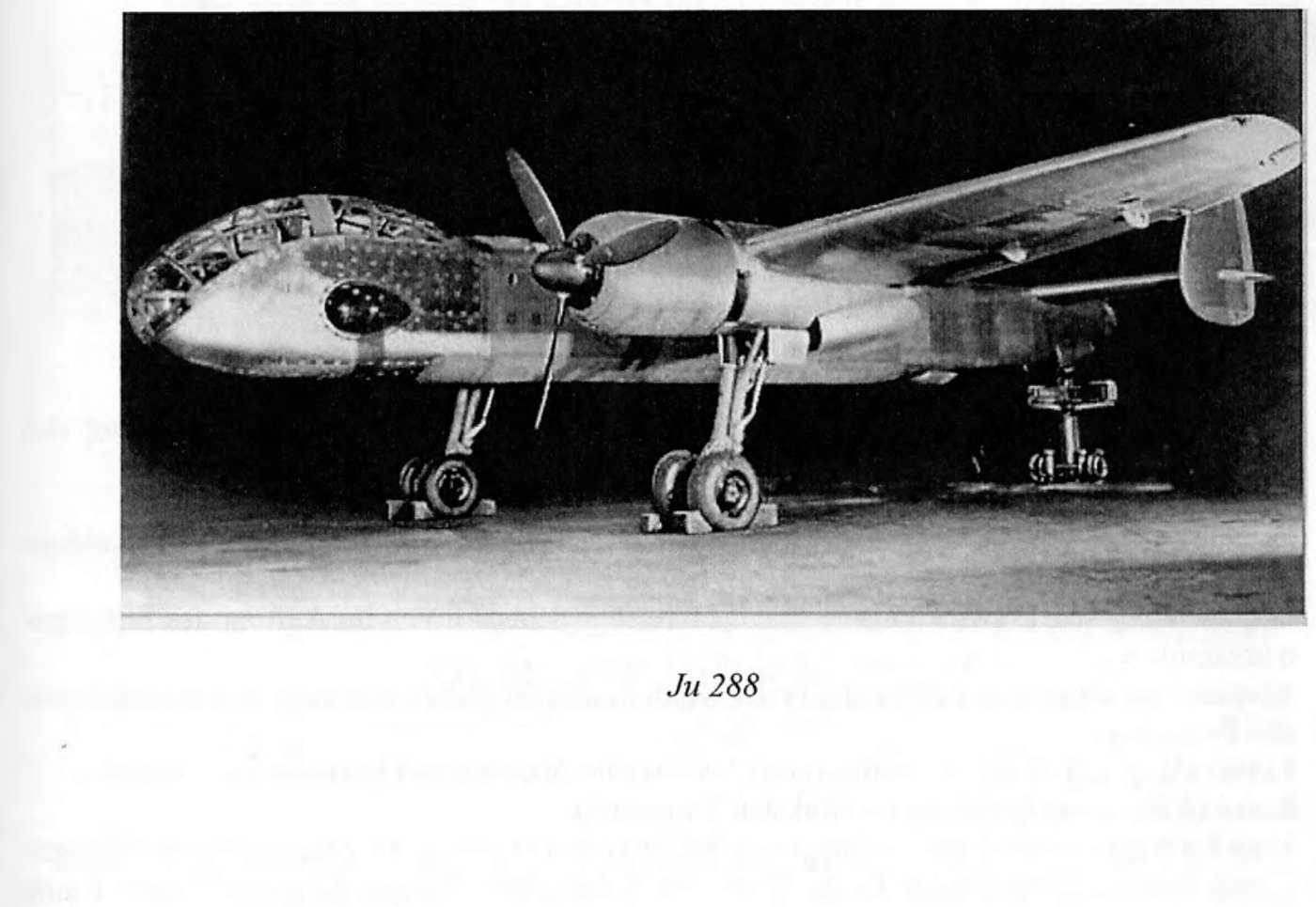
In 1936 Eggers joined the Junkers aircraft and engine works in Dessau as a test engineer, working under Prof. Dr.-Ing. Heinrich Hertel and soon becoming his chief scientific assistant. He contributed to projects such as the Ju 87, Ju 86, Ju 288 and Ju 252, focusing on aerodynamics, structural analysis and rocket propulsion – including the Ju 248 (“Super-Komet”) rocket aircraft.
On 1 October 1936 he joined the test department as a “scientific staff member”; Prof. Dr.-Ing. Herbert Wagner was looking for good mathematicians for the structural analysis group. From 1 December 1939 Eggers was head of the preliminary-projects department in the technical directorate and scientific assistant in Hertel’s development office. His work included preliminary and comparative design studies, thermodynamic-aerodynamic investigations of jet engines, the high-altitude pressure cabin (Ju 86 P/R, Ju 288, Ju 252), the “Wally” rocket interceptor and ramjet and mixed-jet engines. Because of this leading role he appeared, after the war, on a list of the American Operation Paperclip.
The collaboration with Hertel shaped Eggers’ entire career; decades later he wrote his former chief’s obituary. In 1944 the family was evacuated to Gernrode, and with the collapse of 1945 the work in Dessau ended. → Main article: Junkers Dessau (1936–1945)
The French alternative to Operation Paperclip (1945)
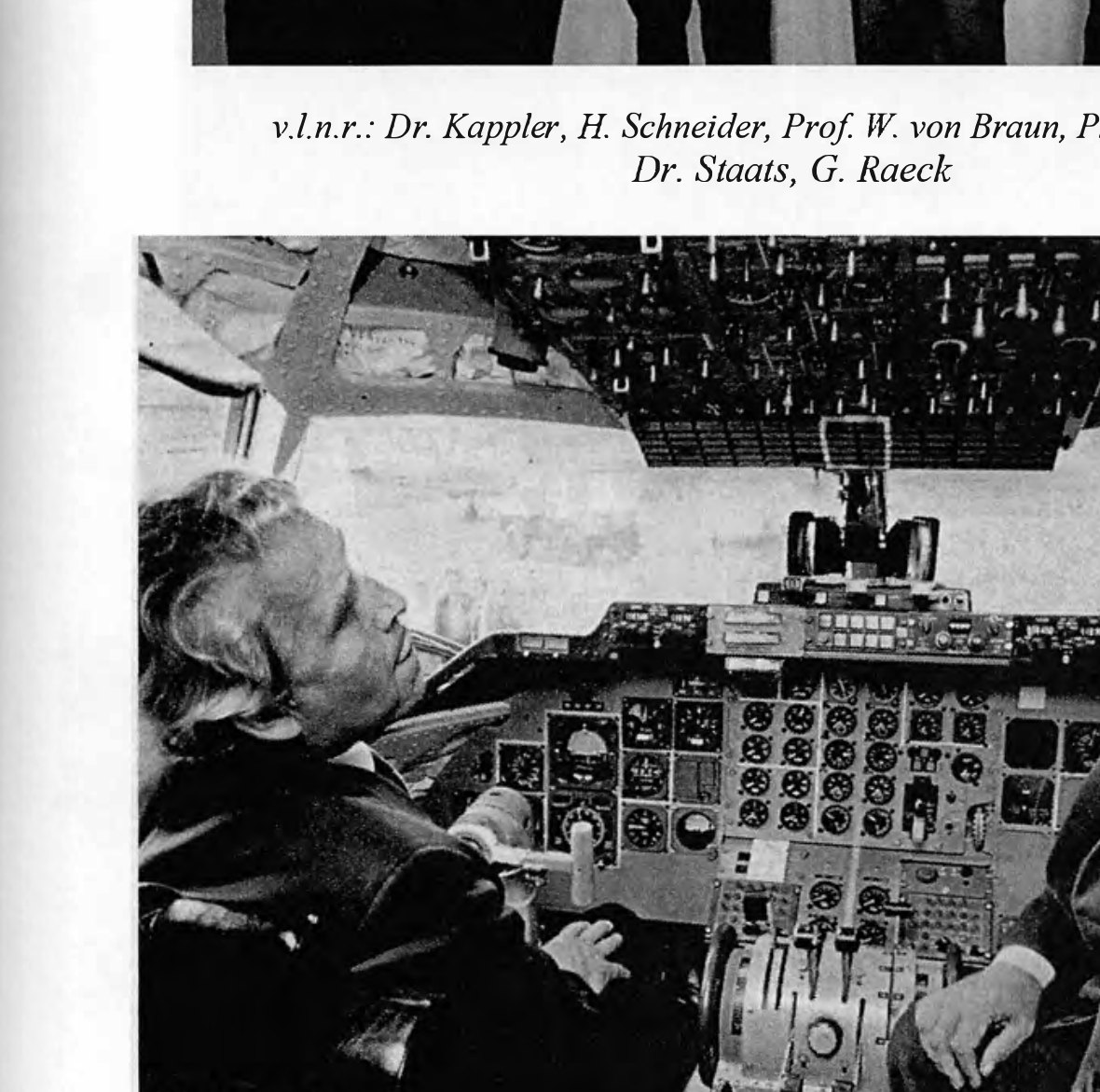
After the end of the Second World War, Eggers was put in contact in Hamburg with the team around Wernher von Braun that was being assembled there; by his own account, direct conversations with von Braun took place during this period. These contacts continued in later years – von Braun visited Eggers in Bremen, among other places, where the two were photographed together in the cockpit of the VFW 614.
An American officer listed Eggers under Operation Paperclip. When it became clear, however, that the wives and families would initially have to remain in Germany, he decided against emigrating to the United States. Instead he used existing contacts – among others via his former superior Heinrich Hertel to Dr. Hermann Oestrich – and joined the French recruitment of German scientists and engineers. This led to the family’s move to France.
Post-war France: SNECMA (1946–1959)
In 1946 Eggers emigrated with his family to France and worked for SNECMA in Decize and later in Dammarie-les-Lys. As an engineer commISSioned by the French state he was issued a trilingual “Lettre de protection” placing him and his family under Allied protection.
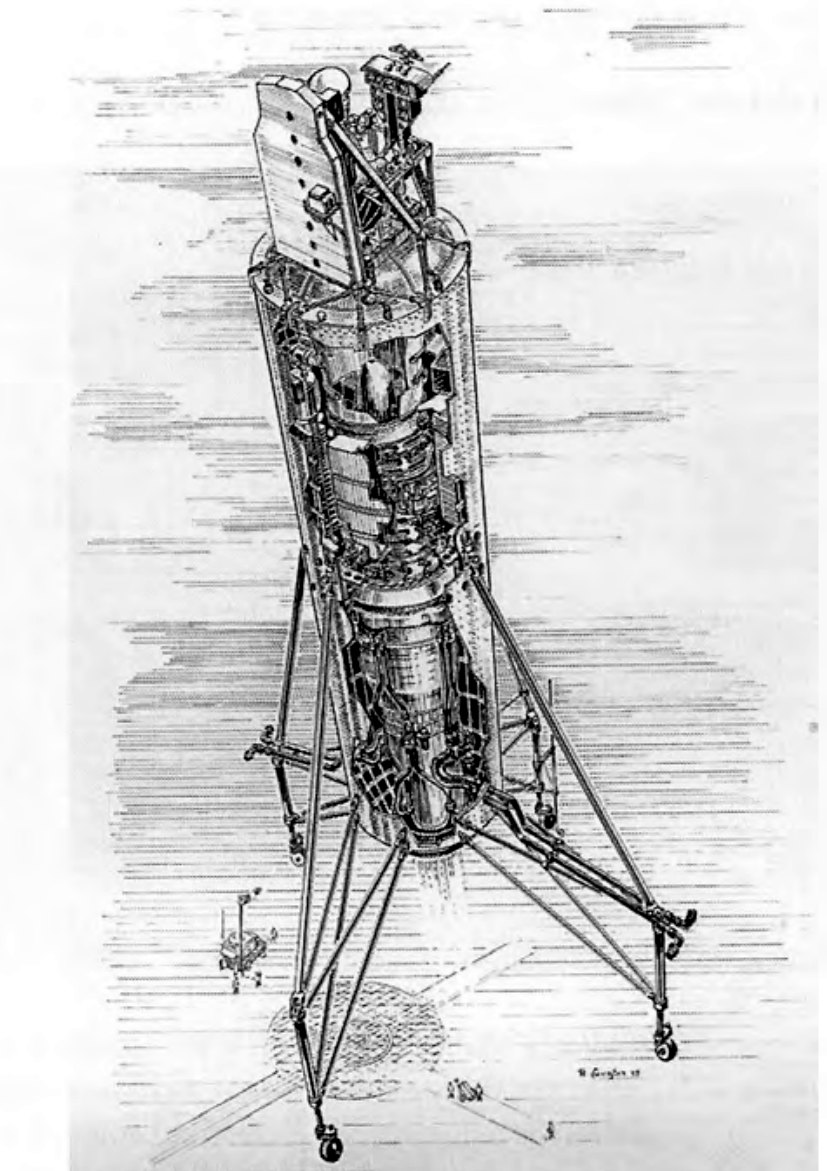
Under Dr. Hermann Oestrich he took part in developing the ATAR jet engine, which powered French military aviation for decades, and subsequently headed the engine-installation department. A highlight was the Coléoptère (C-450) vertical take-off project. In 1957 he received the Médaille de l’Aéronautique. → Main article: France: SNECMA (1946–1959)
Return to Germany: Focke-Wulf and ERNO
 {decoding=“async” https:=“” en.wikipedia.org=“” wiki=“” vfw_614″=“” target=“_blank” rel=“noopener”}
In 1959 Eggers returned to Bremen as technical director of Focke-Wulf. In 1961 he initiated the founding of Entwicklungsring Nord (ERNO), a cooperation of north German aviation companies created to enter spaceflight. The later Spacelab project manager Hans E. W. Hoffmann was personally recruited for spaceflight by Eggers in 1961.
With his involvement, Focke-Wulf merged in 1963 into Vereinigte Flugtechnische Werke (VFW). Among the prominent visitors to Bremen was Wernher von Braun in 1971. Eggers worked on projects such as the VFW 614 and the VAK 191B vertical take-off aircraft. → Main article: Bremen: Focke-Wulf, VFW and ERNO
European spaceflight and Spacelab
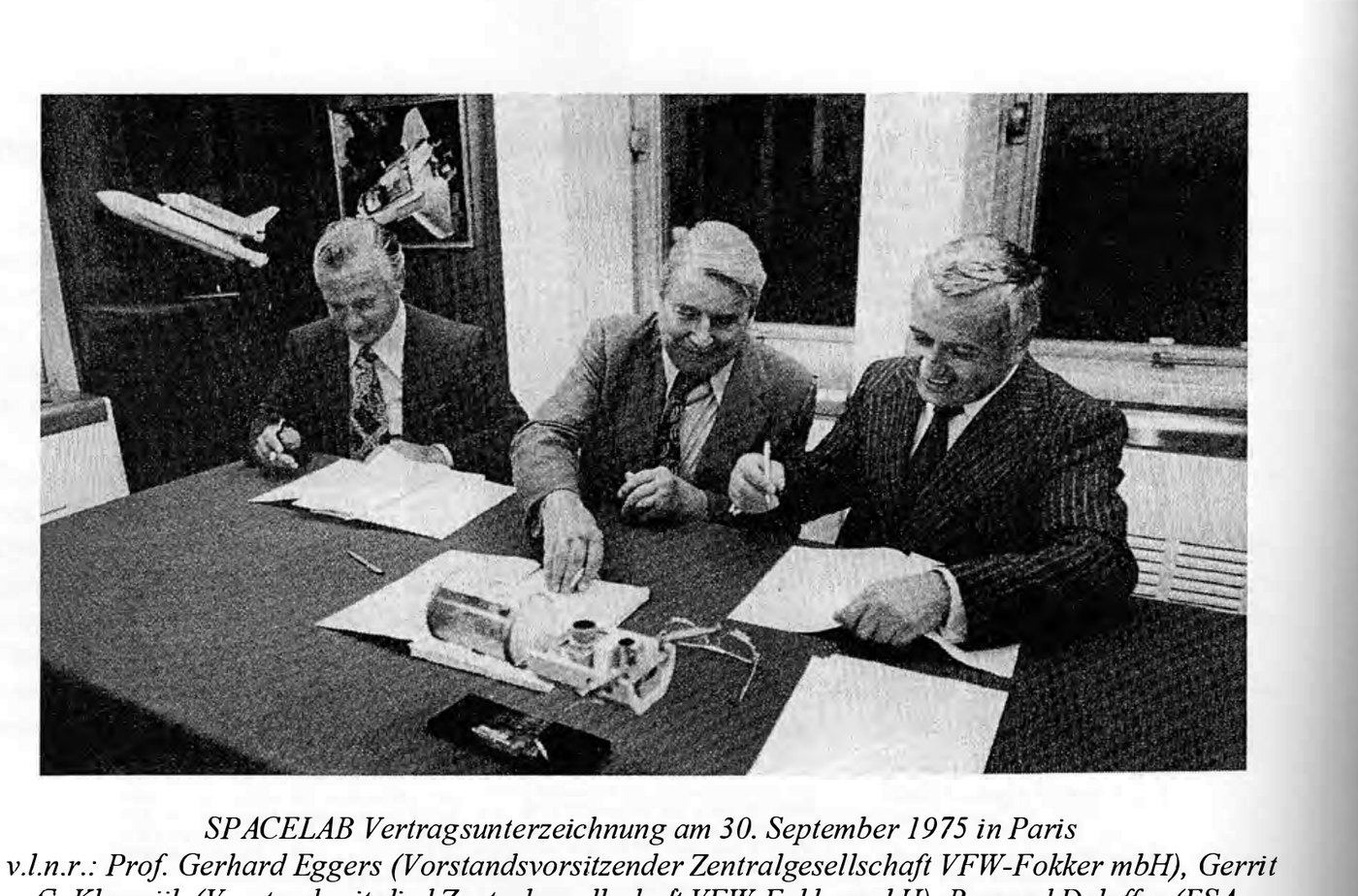
With Eggers’ involvement, ERNO Raumfahrttechnik GmbH developed into a core centre of spaceflight in Germany. Work covered first the third stage of the Europa launcher, later preparatory work for Ariane. In 1972 the ELDO secretary-general, General Aubinière, also visited the works in Bremen.
After the failure of Europa III the company staked everything on the European space laboratory Spacelab. On 5 June 1974 ESRO selected VFW-Fokker/ERNO as prime contractor – against the larger competitor MBB. The laboratory flew aboard the Space Shuttle from 1983 and was Europe’s entry into human spaceflight. → Main article: Spaceflight: From the Europa rocket to Spacelab
VFW-Fokker, retirement and Ariane
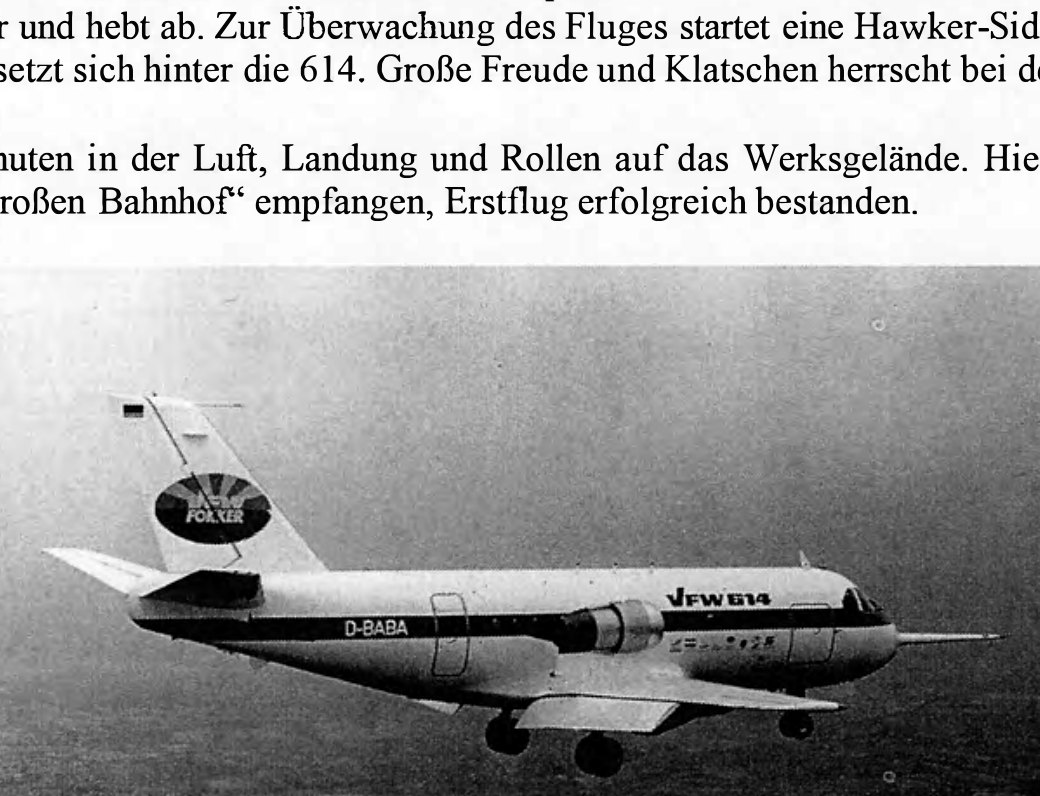
With the 1969 merger of VFW and the Dutch N. V. Fokker into VFW-Fokker, Eggers took up a board position in the Düsseldorf central company; the family moved to Bad Zwischenahn. Projects of these years included series production of the VFW 614 short-haul jet and the VAK 191B vertical take-off aircraft.
The German-Dutch merger was, however, marked by tensions. In mid-1977 Eggers left the board for reasons of age. In retirement he documented his life’s work, visited the Kourou spaceport and regularly attended the “Atarier” reunions of SNECMA veterans. → Main article: VFW-Fokker and retirement
Even after stepping down, Eggers remained closely connected to European spaceflight. As early as June 1974 ERNO had also received the contract to develop the second stage of the European ARIANE launcher. In September 1997 – at the age of 85 – the company invited Eggers to the 100th Ariane launch at Kourou (French Guiana), which became a special experience for him. The Bremen line he founded lives on today in the programmes of ESA, in NASA cooperations and in the Ariane programme.
Press
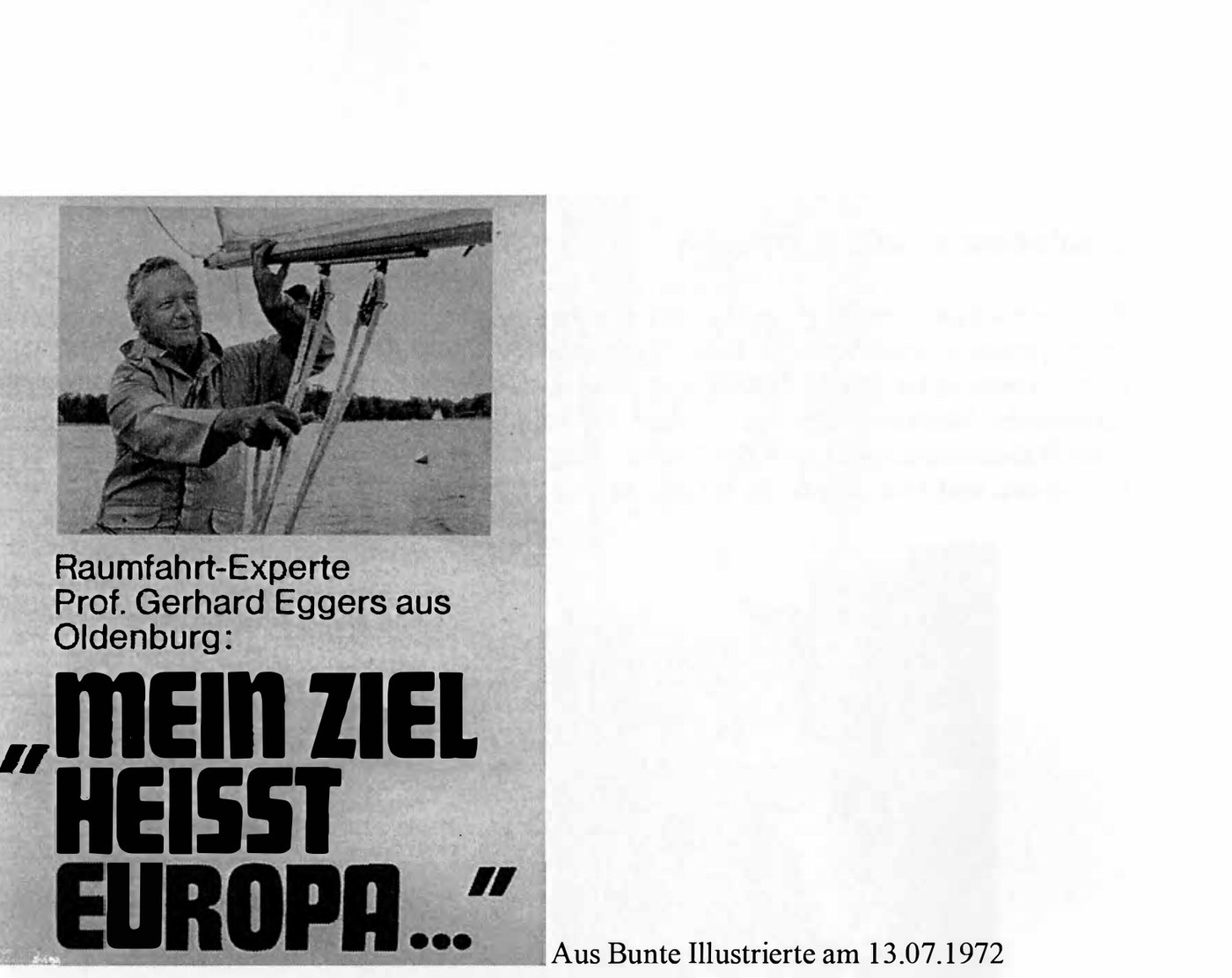
In the contemporary press Eggers was seen as a representative of German spaceflight; in 1972 the Bunte Illustrierte profiled him under the title “Mein Ziel heißt Europa …”.
During the power struggle inside the German-Dutch VFW-Fokker group, DER SPIEGEL credited Eggers in August 1977 as the one who “in the Düsseldorf board repeatedly managed to curb Klapwijk’s excesses against the Bremen part of the company”. His departure from the board coincided with a phase of growing Dutch dominance in the group.
Honours and awards
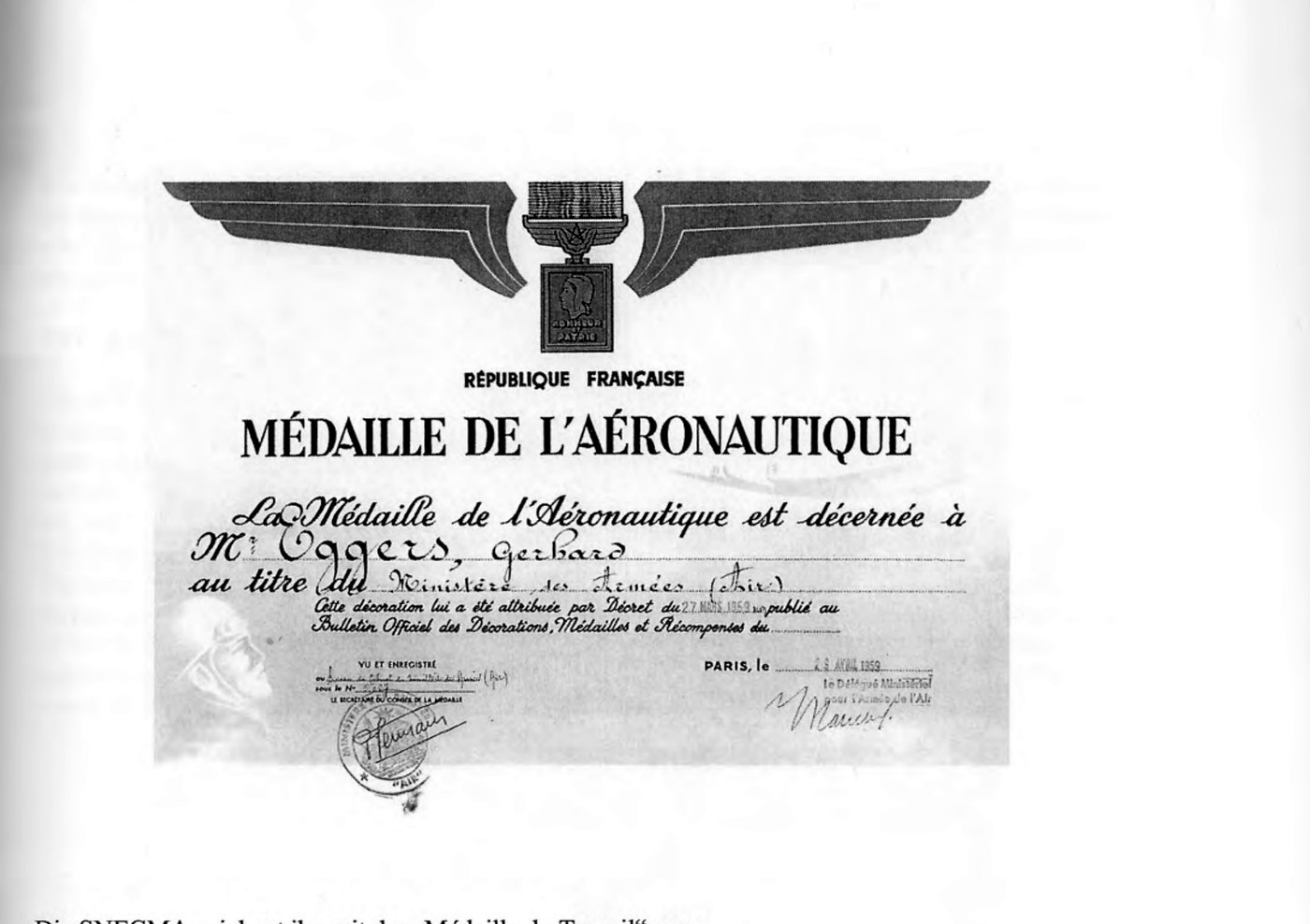
- Médaille de l’Aéronautique (1957)
- Médaille du Travail (SNECMA)
- Honorary professor at TU Berlin (1964)
- Commandeur d’Honneur (1965)
- Honorary member of the German Aerospace Society Lilienthal-Oberth (DGLR)
- Honorary member of the Hermann Oberth Society
- Gerhard-Eggers-Straße in Bremen (1992)
→ Main article: Honours & awards
Notable associates
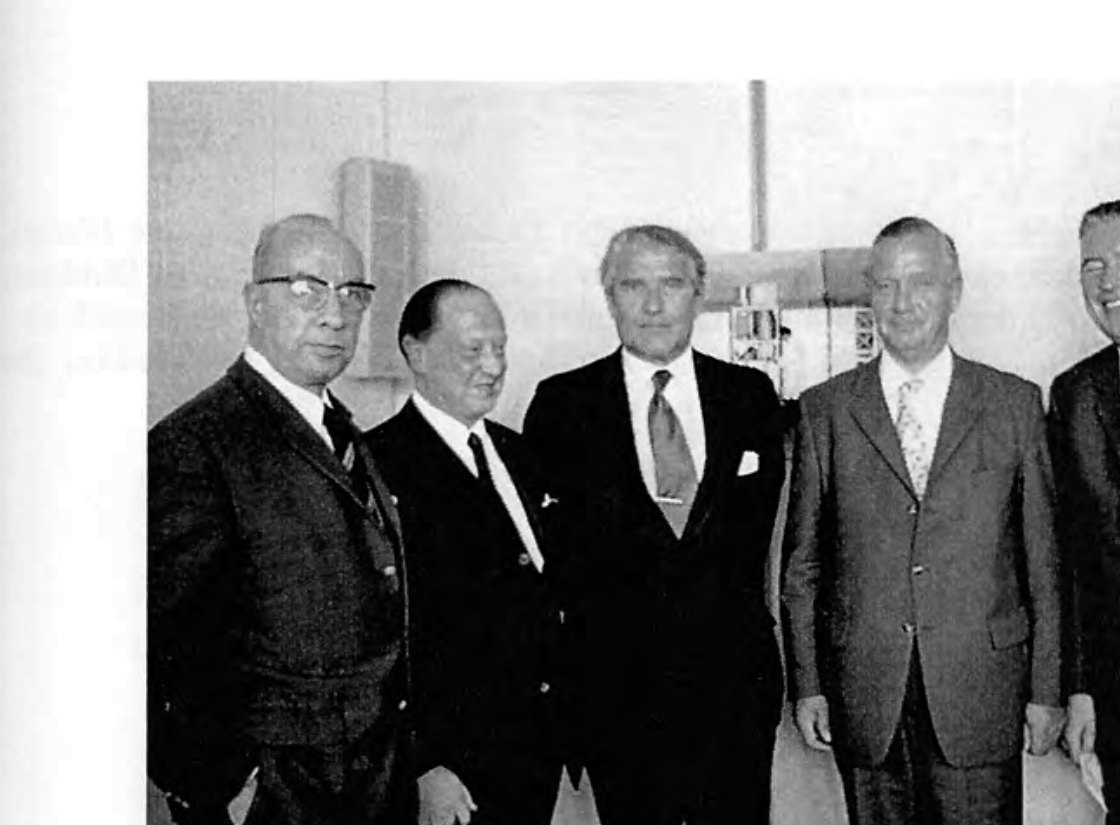
Throughout his career Prof. h.c. Dipl.-Ing. Gerhard Eggers was in contact with numerous leading figures of aviation and spaceflight:
Personalities
| Name | Role / Connection | Period |
|---|---|---|
| Wernher von Braun | Rocket pioneer, NASA; repeatedly visited Bremen, photo together in VFW 614 cockpit | 1945–1970s |
| Prof. Heinrich Hertel | Director at Junkers, TU Berlin; mentor, shaped Eggers’ entire career | 1936–1945 |
| Dr. Hermann Oestrich | Head of German engineering group at SNECMA; brought Eggers to France | 1946–1959 |
| General Bernard A. Schriever | US Air Force Systems Command; visit to Bremen | 1960s |
| Kyrill von Gersdorff | Designer VAK 191B; regular Atarier reunion participant | 1960s–1990s |
| Pierre Lhoste | Colleague at SNECMA; Coléoptère and ATAR | 1946–1959 |
| Rolf Riccius | Long-standing colleague at VFW/ERNO | 1960s–1980s |
| Prof. Hans Georg Münzberg | Atarier reunion participant | 1980s |
| Arthur Rothe | Managing director at VFW-Fokker | 1960s–1970s |
| Dr. R. Stüssel | Speech at Eggers’ farewell 1977 | 1977 |
| Dr. Johann Schäffler | Funeral oration 1998 | 1998 |
| Prof. Dr.-Ing. Dr. h.c. Huba Öry | Long-standing companion; from 1957 at SNECMA to Bremen | 1957–1998 |
| Hans E. W. Hoffmann | Spacelab project leader, recruited by Eggers in 1961 | 1961–1975 |
| Alfred Bodemer | Atarier reunion participant 1985 | 1985 |
| Dr. Helmut Weber, Dr. Gerhard Richter, Dr. Otto Frenzl, Paul Scheunemann | Further Atarier participants | 1985 |
Organisations, Companies and Projects
| Organisation / Project | Significance | Period |
|---|---|---|
| Junkers Flugzeug- und Motorenwerke | First position | 1936–1945 |
| SNECMA (now Safran Aircraft Engines) | French period | 1946–1959 |
| Focke-Wulf | Return to Germany | from 1959 |
| Vereinigte Flugtechnische Werke (VFW) | Director of Development | 1963–1970 |
| VFW-Fokker | Board member | 1970–1977 |
| ERNO Raumfahrttechnik | Founder | 1961 |
| DLR | Took over VFW 614 as ATTAS | — |
| Airbus | Used a VFW 614 for testing | — |
| ESA | Commissioned Spacelab | from 1974 |
| DGLR | Honorary member | — |
| Coléoptère (C 450) | Project at SNECMA | 1950s |
| ATAR engine | Central project at SNECMA | 1946–1959 |
| Spacelab | ERNO’s most important spaceflight project | 1974–1998 |
| VFW 614 | Important aircraft project | 1971–1977 |
ATARIER Reunions
Many former colleagues from the French period (including Huba Öry, Kyrill von Gersdorff and Hans Georg Münzberg) met regularly even after retirement at the ATARIER reunions.
Commemoration
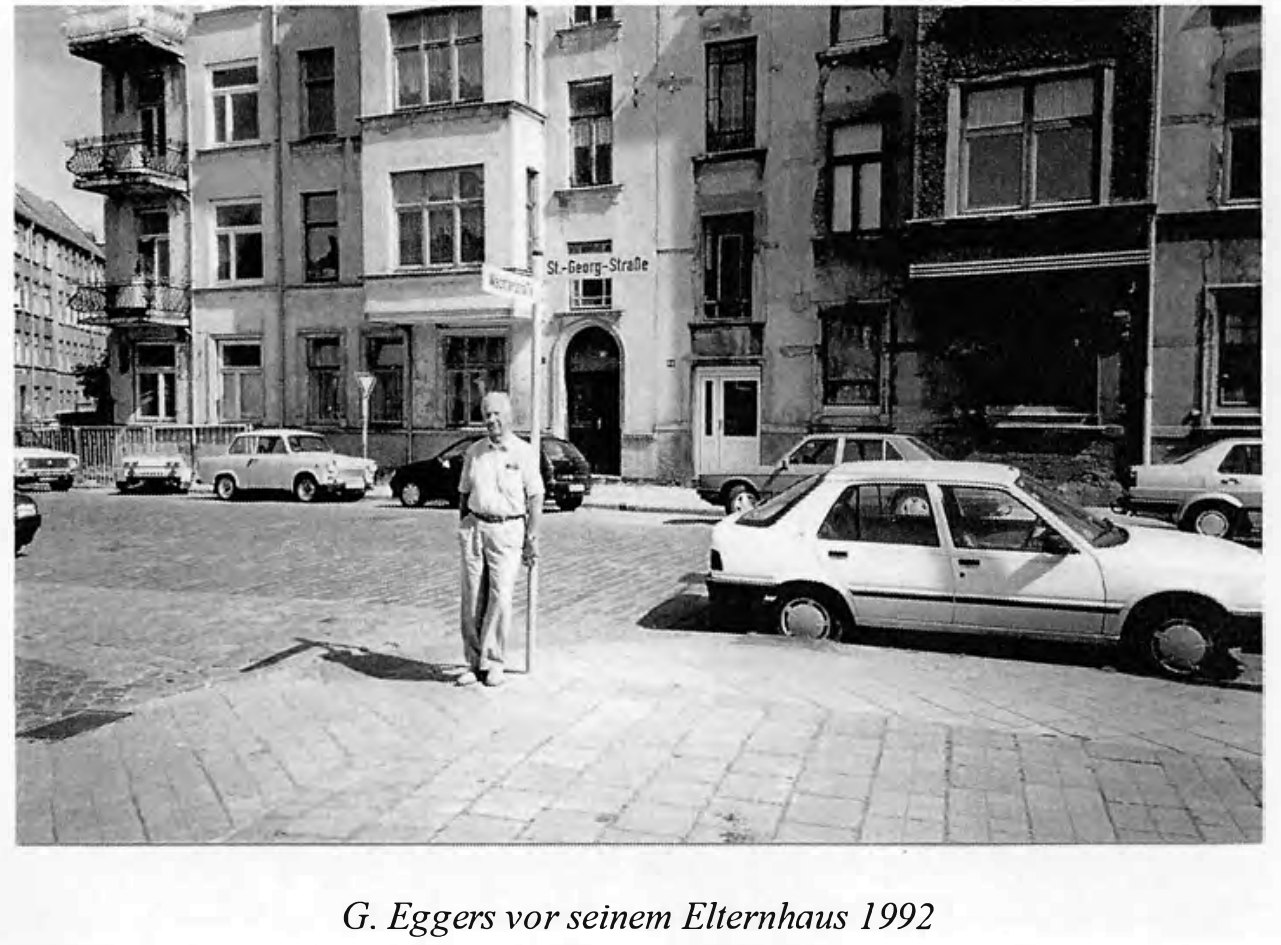
In 1992, on the occasion of his 80th birthday, a street in Bremen was named after him (Gerhard-Eggers-Straße). The Bremen line of spaceflight he co-founded continues to this day: ERNO became MBB/ERNO, then Daimler-Benz Aerospace, and finally the Bremen site of Airbus Defence and Space, where among other things the Ariane upper stages and the European Columbus module of the ISS were built – in direct succession to Spacelab.
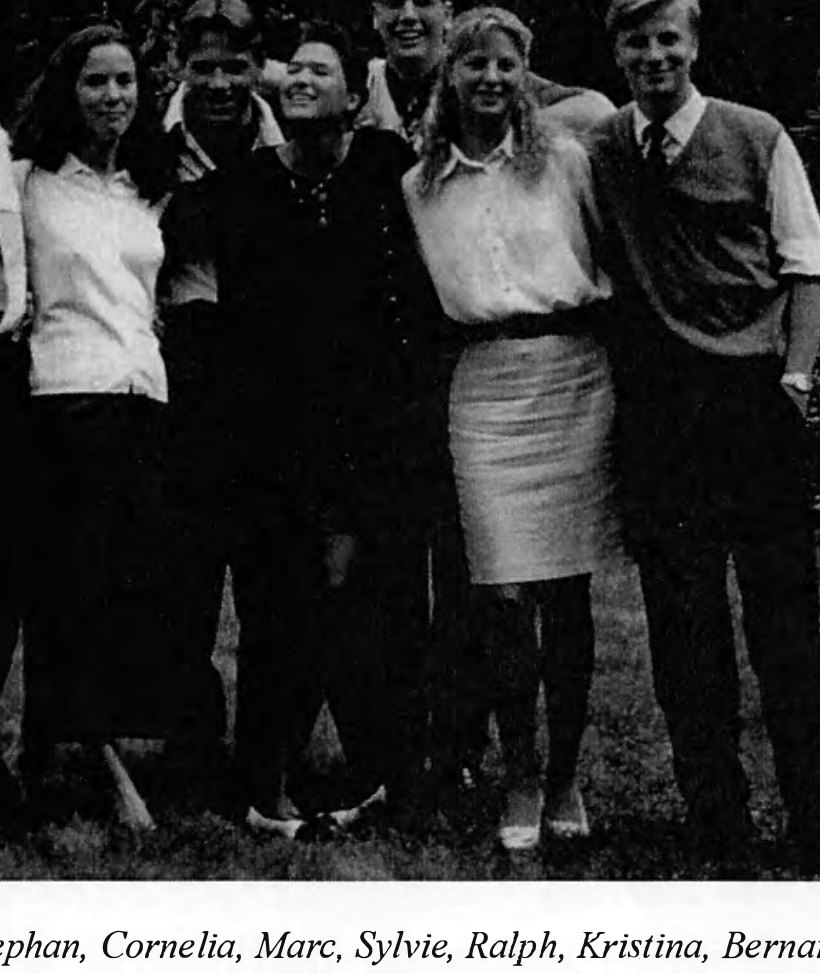
Prof. h.c. Dipl.-Ing. Gerhard Eggers died on 23 August 1998 in the Bundeswehr hospital in Rostrup on the Zwischenahner Meer; after a fall at home he had been admitted with a fractured femoral neck. On the afternoon of that same day his grandson had visited him and presented him with a photograph of all the grandchildren, which delighted him. Shortly afterwards he passed away peacefully. In his memoirs he looked back on „ein Leben zwischen Himmel und Erde – getragen von der Vision des Fliegens” (“a life between heaven and earth – carried by the vision of flight”).
The funeral service took place on 28 August 1998; alongside family, friends and neighbours, representatives of industry and science – including the Technische Universität Berlin – paid their last respects. The address in church was given by Dr. Johann Schäffler. Eggers was laid to rest in the family grave at the cemetery in Bad Zwischenahn.
The obituary notice placed by his former staff read:
„Prof. h.c. Dipl.-Ing. Gerhard Eggers dachte groß und handelte groß – sachlich, geografisch, menschlich. […]” – “Prof. h.c. Dipl.-Ing. Gerhard Eggers thought big and acted big – professionally, geographically, humanly. […] Airbus, Ariane, Spacelab, Tornado and the development of the European aerospace industry would have been unthinkable without his vision, his optimism, his determination and his gift for international cooperation.”
His long-time companion Prof. Dr.-Ing. Dr. h. c. Huba Öry, who had worked in Eggers’ group at SNECMA as early as 1957 and later followed him to Bremen, wrote:
“He was a magnificent chief, a fatherly friend and an ideal manager who understood and valued technology – and who always considered humanity the most important quality of a director-general.”
Family and private life
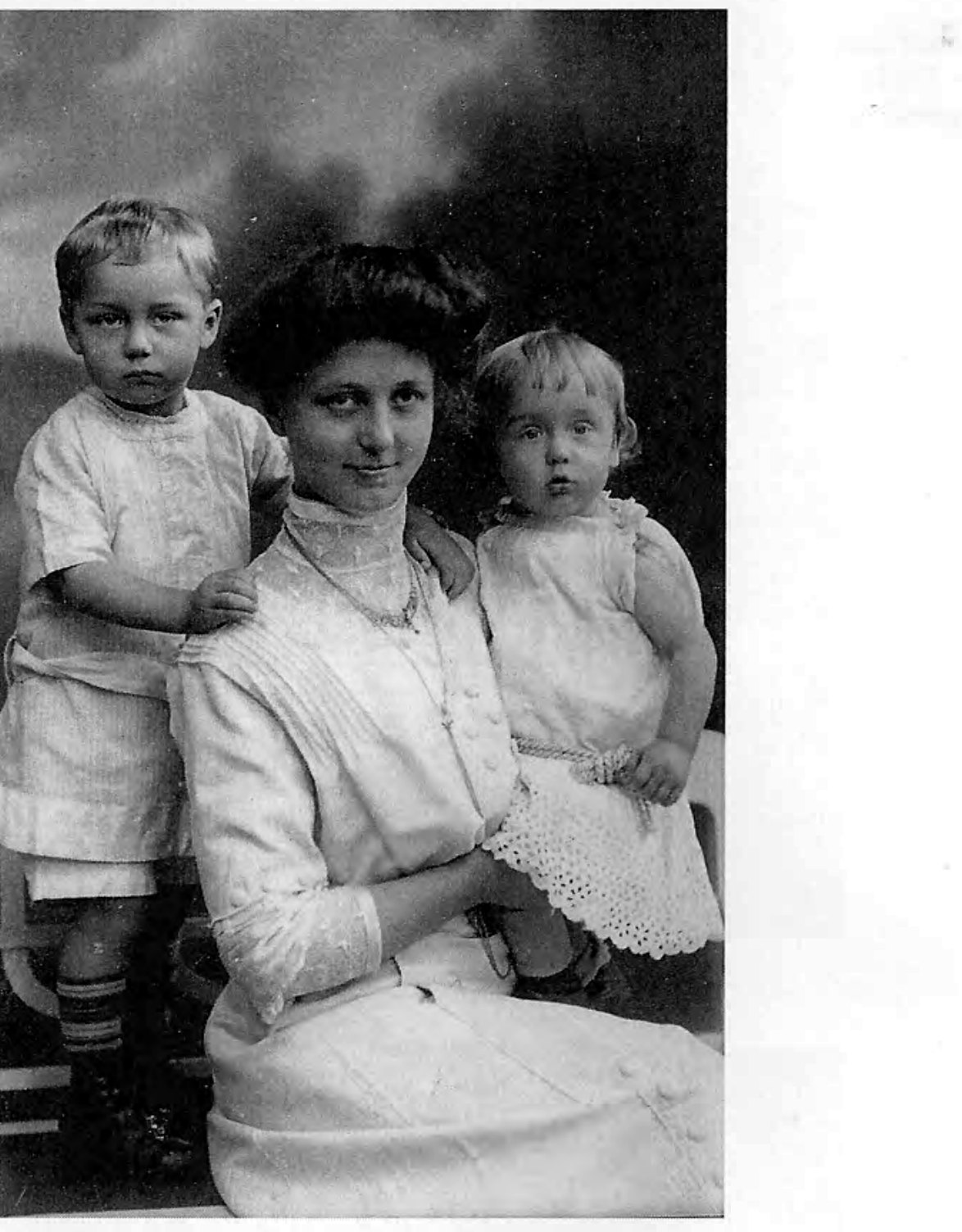
Prof. h.c. Dipl.-Ing. Gerhard Eggers was married from 1939 to Hildegard Eggers (née Koch), who died in 1978. The couple had three children: Karsten (b. 1940), Birgit (b. 1943) and Heidrun (b. 1945). The family lived during the French years in Decize and Dammarie-les-Lys, later in Bremen and from the 1970s in Bad Zwischenahn.
Eggers maintained close ties with his family and travelled extensively, including holidays on the Côte d’Azur and in the Alps. He remained devoted to sailing and rowing throughout his life. → Main article: Family & private life
Sources and literature
- Karsten Eggers: Ein Grandseigneur der Deutschen Luft- & Raumfahrt. Erinnerungen an meinen Vater Prof. h.c. Dipl.-Ing. Gerhard Eggers. Private print, Bremen 2013. In German.
- In geheimer Mission. In: DER SPIEGEL 32/1977, 1 August 1977, p. 76. In German.
- Oral History of Europe in Space: interview with Hans E. W. Hoffmann, conducted by Prof. Dr. Helmuth Trischler, Bremen, 24 May 2011.
- ILR-Mitteilung 55, Institute of Aeronautics and Astronautics, TU Berlin.
→ Full overview: Sources & literature · Gallery
Archives
- German Federal Archives – Koblenz/Freiburg, military and civil records
- DLR Archive – Göttingen/Cologne, German Aerospace Center historical archive
- ESA Archives – Paris/Noordwijk, Spacelab and Ariane documentation
- German National Library – Leipzig/Frankfurt, company chronicles
- TU Berlin Archives – personnel and faculty records
- Safran Heritage – Oestrich group documents 1946–1959
External links
- Bremen Spaceflight History Archive
- NASA Technical Reports Server (NTRS)
- ESA Publications
- Airbus Space
- Safran Aircraft Engines
- ZVAB – Rare books: Gerhard Eggers
- Key.Aero – Beetle Mania: The Story of the SNECMA Coléoptère
- Photo Gallery